Mental Health & Awareness Project
Mental health is a growing concern nationwide. According to the World Health Organization (WHO) – Mental Health Atlas 2020, around 15–20% of Nepal’s population experiences problems such as depression, anxiety, and stress. Suicide is among the top three causes of death for people aged 15–29 yrs In 2025, mental health remains a major public health challenge, with high prevalence of depression, anxiety, and suicide among youth. Vulnerable groups—including women, children, and disaster‑affected communities—are at higher risk.Social stigma and misunderstanding prevent many from seeking help. Nepal’s mental health system is under-resourced but evolving. The biggest challenges are stigma, workforce shortages, and rural access gaps, while prevention efforts emphasize community-based care, awareness, and integration into primary health services.Causes of Mental Health Problems in Nepal:
- Social stigma and cultural misconceptions: Mental illness is often misunderstood, leading to shame and avoidance of care.
- Poverty and unemployment: Economic stress contributes to depression and anxiety.
- Gender-based violence: Women face higher risks of trauma and depression.
- Disasters and displacement: Earthquakes, floods, and migration increase PTSD and stress disorders.
- Academic pressure: Rising stress among children and youth due to competitive education systems.
Mental Health & Awareness Project:
The Mental Health & Awareness Project is a transformative three‑year initiative designed to uplift mental well‑being and strengthen community support systems in Godawari 3 &14 of Godawari Municipality, Lalitpur.Our Journey
Pilot Phase (6 months): Tested community‑based approaches to mental health care. COVID‑19 Response (2 years): Expanded awareness and support during the pandemic. Current Initiative (3 years): Building on success to create lasting impact across the municipality.What Makes Us Different
By weaving together mental health care, awareness, and livelihood support, the project tackles both emotional and economic challenges. This holistic approach ensures that families not only heal but also thrive.Our Goals
Build resilience: Empower individuals and families to cope with stress and adversity. Break stigma: Foster open conversations and normalize mental health care. Boost livelihoods : Support vulnerable families with income‑generation opportunities. Strengthen services: Train local health workers to deliver sustainable, community‑level mental health support.Our Vision
We aim to build a community safety net where prevention, support, and treatment are accessible at multiple entry points. By combining awareness, training, school-based initiatives, livelihood support, and health services, we ensure that mental health care is not just available, but approachable for everyone.Mental Health Care & Support
At our organization, we believe mental well-being is a cornerstone of a healthy community. Our programs are designed to provide early support, accessible care, and stigma-free awareness for individuals and families.Early Identification & Counseling
Screening Services: Regular mental health screenings in schools and communities help identify concerns early. Counseling Support: Safe, confidential spaces where individuals can share challenges and receive professional guidance.Access to Care
Insurance Assistance: Helping low-income and at-risk individuals access health insurance so they can receive essential mental health and medical services without financial burden.Immediate Emotional Support
Community Helplines: Local helplines offering immediate emotional support, basic counseling, and referrals to specialized services.Awareness & Education
Community Awareness Sessions: Interactive programs that encourage open dialogue, reduce stigma, and promote mental health literacy. Public health murals : Creative visuals and positive messages in public spaces to normalize conversations around mental health. Well-Being Desks: Informational stalls at communities once in a week providing resources, guidance, and opportunities to engage in conversations about mental well-being.Capacity Building
Training for Teachers & FCHVs: Equipping educators and Female Community Health Volunteers with skills to identify, support, and refer individuals with mental health concerns.School Mental Health
We prioritize the mental well-being of students by creating safe, supportive, and empowering school environments.- Mental Health Education Sessions: Interactive sessions that build emotional awareness and healthy coping skills.
- “Mind Drop Box”: A confidential space for students to anonymously share thoughts and concerns.
- Child Clubs (Bal Clubs): Student-led activities that promote peer support, leadership, and teamwork.
- Psychosocial Support Sessions: Structured programs to help students manage stress, trauma, and emotional challenges.
- Scholarships for Vulnerable Students: Financial support to reduce stress and ensure continued education.
Healing Through Connection
We believe in the power of human connection to heal and strengthen resilience.- Emotional Expression & Peer Support: Safe spaces for individuals to share feelings and support one another.
- Group Sharing Sessions: Facilitated discussions that build trust and reduce isolation.
- Creative Therapies: Art, music, and dance as tools to express emotions and reduce stress.
- Confidence & Social Skill Building: Activities that strengthen self-esteem, communication, and interpersonal skills.
Livelihood & Economic Empowerment
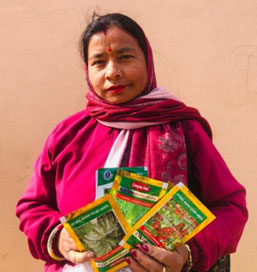
We reduce stress and promote well-being by strengthening income opportunities and engaging communities in productive routines.- Vegetable Seed Distribution: Supporting families to grow food, improve nutrition, and reduce expenses.
- Agriculture Therapy: Encouraging farming and nature-based activities to improve mental health.
- Traditional Incense Production (Bateko Dhup): Skill-building for income generation and cultural preservation.
- Chicken Distribution: Supporting small-scale poultry farming for nutrition and income.
Health & Hygiene Support
Physical health and hygiene are essential for overall well-being. Ceramic Water Filters: Ensuring safe drinking water to prevent disease. Health Awareness Campaigns: Educating communities on hygiene, prevention, and healthy habits.Our Impact ( Project Year 1: 2024–2025)
Overview
This report highlights the mental health screening and educational participation statistics of individuals served.Key Statistic
- 20 participation participated in Mental Health Education:
- 154 individuals were screened with Mental Health issues
- 40–50 years was the highest Affected Age Group with higher in female
Main Causes Identified
- Household conflict
- Relationship issues
Conclusion:
This project takes a holistic approach to community well‑being, addressing both mental health and socio‑economic challenges. By integrating awareness, care, and livelihood support, we are building resilient, informed, and supportive communities in Godawari Municipality. Through initiatives like organic farming and chicken rearing, participants not only gain sustainable income opportunities but also experience therapeutic benefits that strengthen emotional stability. Together, these programs create job and empower family to overcome household and relationship challenges while fostering long‑term resilience and growth.
Participant Statement:
“I am very grateful to CDO Nepal for providing us with vegetable seeds. With these seeds, we were able to grow fresh vegetables for our family, which improved our nutrition and reduced our expenses. The guidance from CDO staff on how to plant and care for the seeds was very helpful”.
Devaki Karki