Empowering Women, Transforming Communities
The
Rural Women Empowerment Project (RWEP) is a flagship initiative of CDO Nepal dedicated to transforming the lives of marginalized and rural women in
Budiganga Rural Municipality, Morang. By promoting education, healthcare awareness, economic opportunities, and leadership development, RWEP empowers women to break cycles of poverty and become catalysts for sustainable community change. Through its holistic approach, the project not only uplifts individual women but also strengthens families and communities, fostering resilience, equality, and long-term development.
Our Mission
RWEP is committed to creating lasting impact by equipping women with the tools, knowledge, and confidence to lead healthier, more independent, and sustainable lives.
Key Objectives
- Economic, Social & Legal Empowerment:
Strengthening women’s rights and opportunities to ensure equality and dignity.
- Healthcare & Hygiene Awareness:
Expanding access to reproductive health, hygiene practices, and essential healthcare services.
- Education & Literacy Development: Building literacy skills and promoting lifelong learning for women and girls.
- Leadership & Community Engagement: Encouraging women to take active roles in decision-making and community development.
- Sustainable Income Generation: Supporting entrepreneurship and livelihood programs that foster financial independence.
Our Impact ( Project Year 1: 2024–2025)
- Non-formal education and literacy:
148 women across four communities enrolled in literacy classes designed to strengthen their knowledge of basic Nepali, mathematics, and essential life skills. Alongside this, 40 school children were supported through scholarships and academic coaching with school lunch, ensuring continuity in their education. To nurture leadership among the younger generation, two child clubs were established, engaging 72 active members in advocacy and community activities.
- Health and Hygiene Promotion
RWEP organized outreach campaigns to raise awareness on reproductive health, hygiene practices, education, and gender equality. Families were provided with life-saving water and essential health resources, helping to improve overall well-being and reduce vulnerability to preventable diseases.
- Livelihood opportunities has also prioritized , equipping more than 50 women with training in diverse economic activities.
These include:
- 5 women got skill development training on Pottery Making
- 40 women were trained on Dhoop (Incense) Making
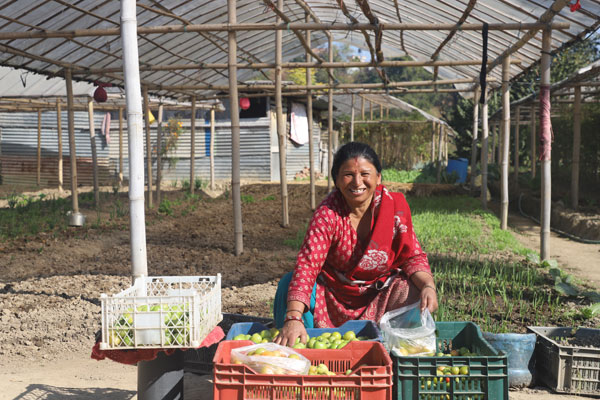
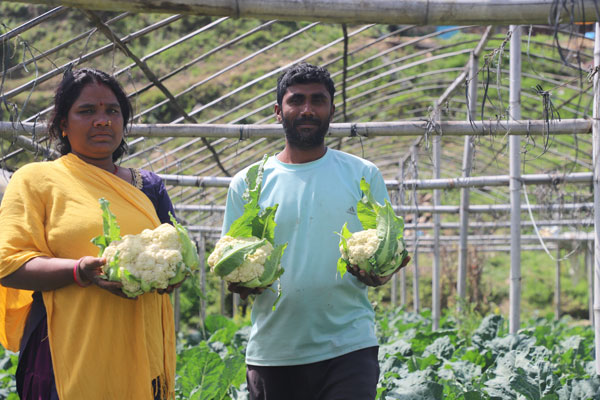
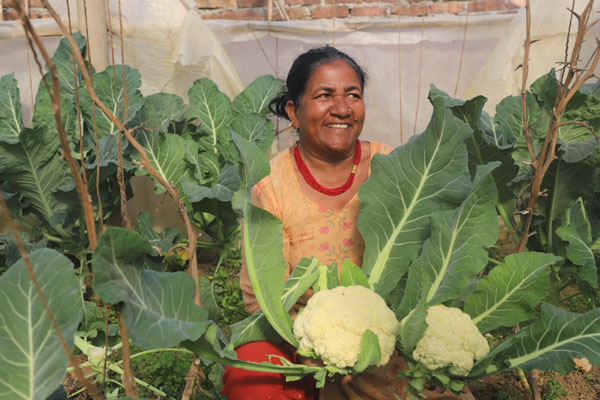
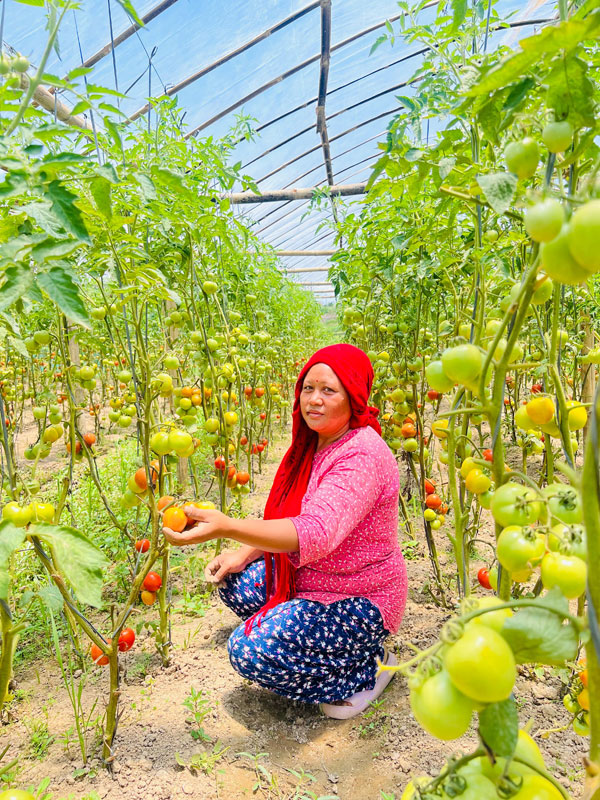
- 80 women were trained on organic vegetable gardening and supported with seed
- 40 families received goats for livestock farming
Jhokra Jute Craft & Achra Khadko(traditonal embrodiary):
As part of RWEP’s commitment to
skill development and livelihood creation, women were trained in traditional and locally relevant crafts that not only preserve cultural heritage but also generate sustainable income.
Ten women received specialized training in
Jhokra Jute Craft, where they were provided with raw materials and hand-operated weaving machines to support production.
Similarly, five women were capacitated through training in
Achra Khadki, a traditional embroidery technique, and were equipped with embroidery machines to enhance their skills and productivity.
These initiatives not only strengthen women’s economic independence but also celebrate and sustain traditional craftsmanship, ensuring that local knowledge and artistry continue to thrive while contributing to household income and community resilience.
l. Small Village Grocery Shops
As part of RWEP’s livelihood initiatives, 22 marginalized women have been supported to establish small village grocery shops.
These shops serve as vital community hubs, providing families with access to daily essentials while creating sustainable income opportunities for women entrepreneurs. Beyond improving household earnings, the shops foster local economic activity, strengthen self-reliance, and demonstrate how empowering women can directly contribute to the resilience and growth of rural communities.
2 Micro-Savings Group for women
RWEP has established a micro-savings group with over 100 women, creating a platform for financial security, entrepreneurship, and empowerment. By saving collectively and accessing small loans, members are able to invest in income-generating activities such as farming, grocery shops, and traditional crafts.
This initiative not only strengthens women’s economic independence but also fosters leadership, solidarity, and long-term sustainability. Through financial literacy and shared responsibility, the micro-savings group has become a cornerstone of resilience—helping women build stronger livelihoods and transforming their communities.
Community Engagement
Community engagement has been a cornerstone of the project. RWEP facilitated coordination meetings with local government, schools, and community leaders to strengthen collaboration before implemented project. Literacy learners participated in community picnics and team-building events, while schools benefited from wall murals and material support. Outreach campaigns further amplified awareness on hygiene, education, and gender issues, reinforcing the importance of collective action.
Impact of RWEP:
The
impact of RWEP is evident across the community. . Together, these efforts are transforming lives and building stronger, more resilient communities.
- 561 women empowered through training and education
- 215 families received life-saving ceramic water filters and health resources
- 80 children improved academic performance
- 100 women financially independent through micro-savings
Sustainability of RWEP:
RWEP is designed to create lasting impact by fostering self-reliance and community ownership. Through skills training, micro-savings groups, organic farming, and small enterprises, women gain the tools to sustain livelihoods independently.
By embedding education, healthcare awareness, and leadership development into local structures, the project ensures that its benefits continue to grow even beyond direct support. RWEP’s focus on resilience, cultural preservation, and collective action makes it a sustainable model for rural transformation.
Anita Rishidev
“Now can now read, earn from Achar (traditional embrodiary), and able to send my children back to school. CDO Nepal helped me believe in myself.”